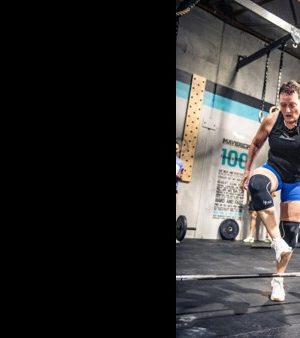
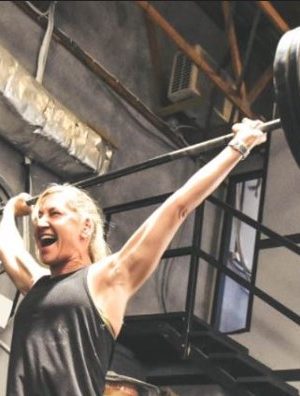
🏋️♀️ About Coastal CrossFit Welcome to Coastal CrossFit — where fitness meets community, hard work meets laughter, and results come from doing the simple things well. Founded by Chris and Marie Saliba in 2009, Coastal CrossFit has been proudly serving the Sunshine Coast for over 17 years. As the region’s longest-running affiliates (original owners) we’ve stayed true to an old-school CrossFit vibe — authentic coaching, no fluff, and a community built on effort, humility, and consistency. We’re old school proud.What originally drew us to CrossFit is still what keeps us going today — real fitness, real people, and a community that cares.Our family lives and breathes fitness for life, and that passion flows through everything we do. 💪 Our Philosophy At Coastal, we believe in real fitness for real people.No gimmicks. No shortcuts. Just smart, functional training delivered with care and intention. We coach — properly.We provide 1:1 scaling and guidance for every athlete in every class. There’s no generic, one-size-fits-all approach here. We tailor each session to your goals, abilities, and experience. It doesn’t matter where you start — we’re all on our own journey, and we travel that path together.At Coastal, there’s no ego — just hard work and support. 🧠 Our Programming We write our own programming — always have, always will.Why? Because we know our athletes — their abilities, injuries, goals, and challenges. We also know our space, our equipment, and the local weather, and we use that knowledge to create smart, effective programming that truly fits our community. We program for the general population, with a focus on health, longevity, and overall wellbeing. Our goal is to help people move better, feel stronger, and live healthier — inside and outside the gym. Every workout has purpose. Every movement has intent.Our programming evolves with our people — not the latest trends. 👥 Our Community We’re more than a gym — we’re a family. Many of our members have been with us from day one, and we’re proud to have athletes who have stayed with us for years, growing stronger together. Our members come from all walks of life, training side by side and supporting each other through every rep and every season of life. Your ability, size, or background doesn’t matter. Once you walk through our doors, you’re supported and encouraged by the most amazing crew. We’ll challenge, support, and lift you up — helping you become the best version of yourself. The vibe? Old-school CrossFit — the kind where the whiteboard still matters. It’s where we record scores, share effort, celebrate wins, and keep each other accountable. Barbells clanging, music pumping, everyone cheering for the last person to finish — that’s Coastal. Here, effort is celebrated, progress is personal, and everyone is welcome. 🧑🏫 Our Coaches Led by Marie and Chris, our coaching team brings years of experience across CrossFit, Olympic weightlifting, and movement coaching.We focus on doing the basics exceptionally well — with an emphasis on movement quality, consistency, and longevity. Our coaches are a true part of our community. They train alongside our members, know each person’s strengths and challenges, and genuinely care. They lead by example — showing up, putting in the work, and supporting others to do the same. Expect hands-on coaching, honest feedback, and an approach that’s personal, practical, and focused on helping you move well and feel strong. Meet our coaches 🏠 Our Space Located at 1/12 Technology Drive, Warana, on the Parrearra Canal, our gym is built for purpose. You won’t find mirrors or fancy machines here — just quality equipment, open space, and an atmosphere built on hard work and genuine connection. We’re proudly fitted out with Maverick Strength & Conditioning Equipment — gear that grew from humble beginnings right here at Coastal CrossFit. It’s strong, functional, and made to handle real training. We are blessed with the most scenic run tracks around the canal and we’re just a short stroll from Warana Beach. We also have a Recovery Room for our members, featuring Endurance Recovery Boots and an Infrared Sauna — because we know recovery is just as important as effort in the gym. Our space is functional, friendly, and full of the kind of energy you can’t fake — a place where effort matters more than appearance, and community comes first. 🚀 Our Mission To help everyday people live stronger, healthier, more confident lives through functional fitness and community connection. We’re here to help you: No matter your age, background, or fitness level — you belong here.This is Coastal CrossFit: old-school values, real coaching, hands-on support, and a community that’s got your back. 👉 Ready to start? Come in for a free trial, meet the crew, and see what makes Coastal different. Written whiteboards, no ego — just hard work, support, and a community that feels like home.